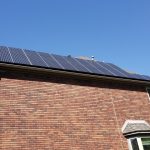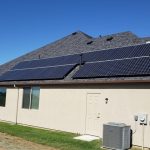
Buying a home is not just about space and style anymore. Power bills matter, and many buyers ask about solar right away. The big question is simple: do panels raise a home’s price in today’s market? The short answer is “often, yes,” but it depends on a few clear things: how the system is owned, what it saves, how it looks, and the local rules for selling extra power. In this blog, we’ll explain the key parts in plain words. We’ll cover what buyers want, how appraisers think, and what tech details really mean for value. By the end, you’ll know how to make solar work for your home sale.
Why Buyers Care About Home Energy Costs
Homes cost more than the mortgage. Monthly bills shape what a family can afford, and steady power savings feel like a raise. When buyers tour a house with solar, they picture lower bills from day one. That reduces stress and helps them plan long-term. In many areas, power rates keep changing, so a roof that makes its own power feels safer. A clear record of past bills and solar output helps a lot. Show them a simple chart of summer and winter savings. Keep the story short: panels make power; the inverter turns it into home-ready power; your meter tracks what you use or send back. If the numbers are easy to read, buyers trust them more and pay more attention.
- Buyers like steady, simple savings
- Easy records beat vague claims
- Clear photos and labels build trust
How Appraisers Think About Solar Value Today
Appraisers look for facts they can defend. They study recent sales of homes “with solar” and “without solar” to see the price gap. If there are not enough local sales to compare, they look at the system like another feature, such as a pool or a new roof. They also check who owns the system. A paid-off system is a plus. A loan can be fine if it transfers. A lease can be tricky if the terms feel hard to accept. Appraisers may use tools to estimate the value of the energy the system will produce over time. Clear documents help: the contract or bill of sale, the equipment list, warranties, past production, and the utility rate plan. The easier it is to verify, the more likely solar show up in the appraised value.
Give appraisers these items:
- Equipment list (panels, inverter, size in kW)
- Past 12–24 months of production (kWh)
- Utility bills or rate plan summary
- Ownership proof and any loan or lease details
- Warranty terms and remaining years
Key Technical Terms Explained In Plain Words
Solar terms can feel heavy, so here are the basics in simple words:
- Kilowatt (kW): The size of your system, like engine power in a car. A 7 kW system is “bigger” than a 5 kW system.
- Kilowatt-hour (kWh): Energy used or made over time. Your electric bill charges you for kWh.
- Inverter: The box that turns panel power (DC) into home power (AC). Two common types: one big string inverter, or many microinverters under panels.
- Production monitoring: An app or web page that shows how much power you make.
- Degradation: Panels slowly make a bit less each year, often around half a percent per year.
- Shade and tilt: Less shade and a good roof angle mean more power.
- Battery: Stores extra power for later use or outages. Helpful, but not required to add value.
When buyers understand these words, they feel confident making an offer.
What Boosts Resale Value With Solar Systems
Solar tends to help most when the story is strong and simple. These parts often lift value:
- Owned system, paid off: No extra steps for the buyer.
- Right-sized design: System size matches typical use for the home.
- Clean install: Neat wiring, tidy conduit runs, and flush mounts look good.
- Modern inverter setup: Microinverters or DC optimizers can help with shade and panel-level data.
- Solid paperwork: Clear warranties (panels often 20–25 years), permits, and inspection stickers.
- Monitoring access: Buyer can see live production on day one.
Add a one-page “solar fact sheet” to your listing: system size, age, brand, yearly kWh, recent bills, and any credits. Simple proof of savings often makes buyers bid with confidence.
Things That May Lower The Price Bump
Some issues can slow the boost you want:
- Leases with strict terms: If the lease payment is high or hard to transfer, buyers may step back.
- Roof near end of life: Buyers worry about removing panels to re-roof soon.
- Poor curb appeal: Loose wires, crooked lines, or mismatched panels hurt trust.
- No records: Missing permits or lost monitoring logins raise flags.
- Oversized system without credits: If the utility does not pay well for extra power, too-big systems may not add much.
Fix what you can before listing. If the roof is old, consider re-roofing under the array. Clean the labels, tidy the conduit, and reset the monitoring password. A little prep can save you lots at offer time.
Understanding Incentives, Net Metering, And Payback Period
Local and federal incentives can shorten the time it takes for savings to cover the system cost. Net metering rules set how your utility handles extra power. Some areas credit you close to the retail rate; others credit less. This shapes savings and, in turn, value. Buyers love a clear payback story, like “about eight to ten years at today’s rates.” Keep it honest and tie it to real bills. If your area uses time-of-use rates, explain how solar makes more during peak hours. If you have a battery, show how it shifts energy to the evening. A short, plain summary works best:
- Incentives lower the upfront cost.
- Net metering credits extra power.
- Time-of-use can boost savings.
- Clear payback builds buyer trust.
What A Typical System Looks Like Today
A common home setup might be 6 to 9 kW, which often means 15–22 panels, depending on panel wattage. Many homes use microinverters so each panel works on its own, which helps if shade hits one part of the roof. Newer panels often produce around 350–450 watts each. Most systems connect to a simple monitoring app that shows daily and monthly output. Panels usually keep a 20–25-year performance warranty. Inverters often carry a 10–25 year warranty, which may be extendable. Systems can be expanded if the roof space and the electric panel allow it. Keep the equipment names and install photos in a small folder for buyers. When they see the brands, the install date, and clean images, they feel more at ease, and that helps offer.
Steps To Make Your Solar Investment Count
If you want the best result at sale time, do these steps now:
- Gather documents: Permits, final inspection, equipment list, warranties, and monitoring login.
- Show real numbers: Print a one-page chart with last year’s kWh and the matched bills.
- Service the system: Check inverter status, update the app, and clean any unsafe debris (use a pro).
- Check the roof: If it’s near the end, get quotes so buyers see the plan.
- Confirm ownership details: If there’s a loan or lease, get the transfer steps in writing.
- Make it look neat: Tuck wires, add labels, and take clear photos.
These small actions turn your panels from “unknown gear on the roof” into “proven savings tool,” which is what buyers want to pay for.
Conclusion
Solar can raise home value when the savings are clear, the gear is owned, and the paperwork is ready. Keep it simple: show what the system makes and what it saves. Neat installs and easy records help offers come in stronger. If you’re in Texas and thinking about solar or planning a sale soon, reach out to Texas Solar Systems Sales. We provide solar panel installation services and can set you up with a system and documents that make sense to buyers and appraisers alike.